Discover Mongolian traditional Khöömei, Biy Biyelgee, and folk arts with top ensembles like National Grand Theatre, Tsagaan Lavai, and Tumen Ekh through authentic performances showcasing Mongolia’s rich cultural heritage.

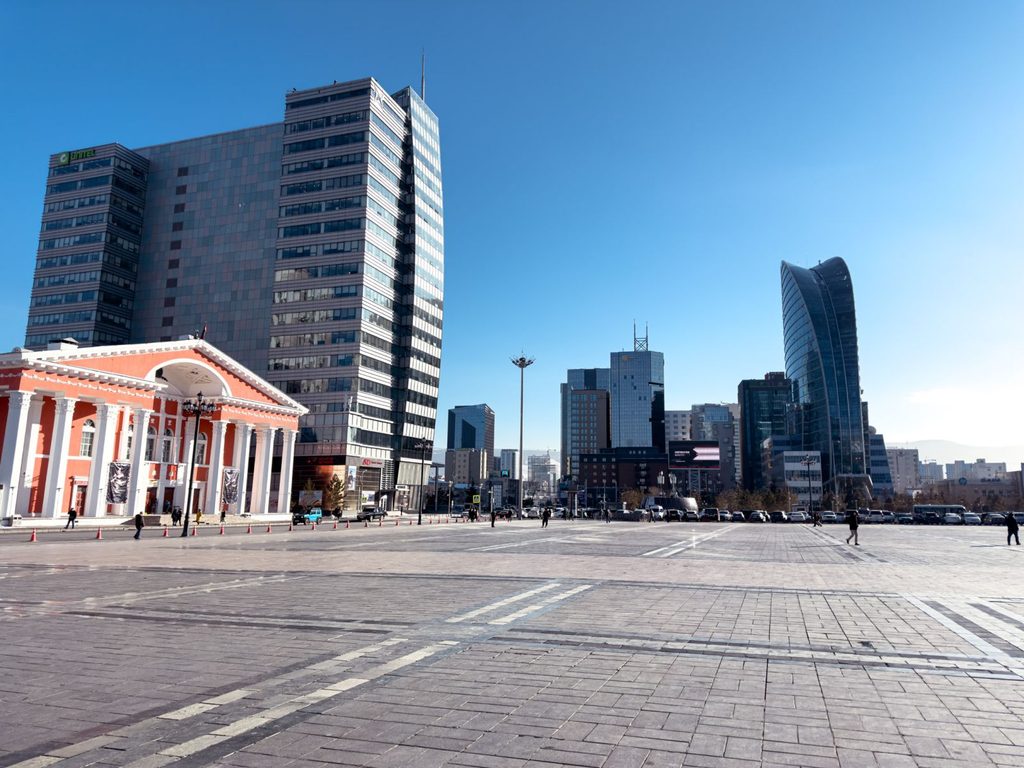
Mongolian State Academic Drama Theatre
Mongolia has a long-standing theatrical tradition. The roots of Mongolian theater trace back to home theater, court theater, and religious theatrical performances. Since the People’s Revolution of 1921, the artistic movement expanded nationwide, establishing new cultural institutions such as clubs, “Red Yurts,” and the “People’s Entertainment Park,” enhancing the reach of cultural and artistic services.
To unify and develop this artistic movement, the Mongolian government issued Resolution No. 50 on November 12, 1931, establishing the ‘State Central Theatre.’
The theater’s repertoire includes historical-revolutionary, modern, and classical works from Mongolia and around the world. These performances incorporate various artistic approaches, styles, and forms. The artists of the State Academic Drama Theatre carefully select pieces from this repertoire for daily performances throughout the summer, catering to both domestic and international tourists.
Mongolian State Academic Theatre of Opera and Ballet
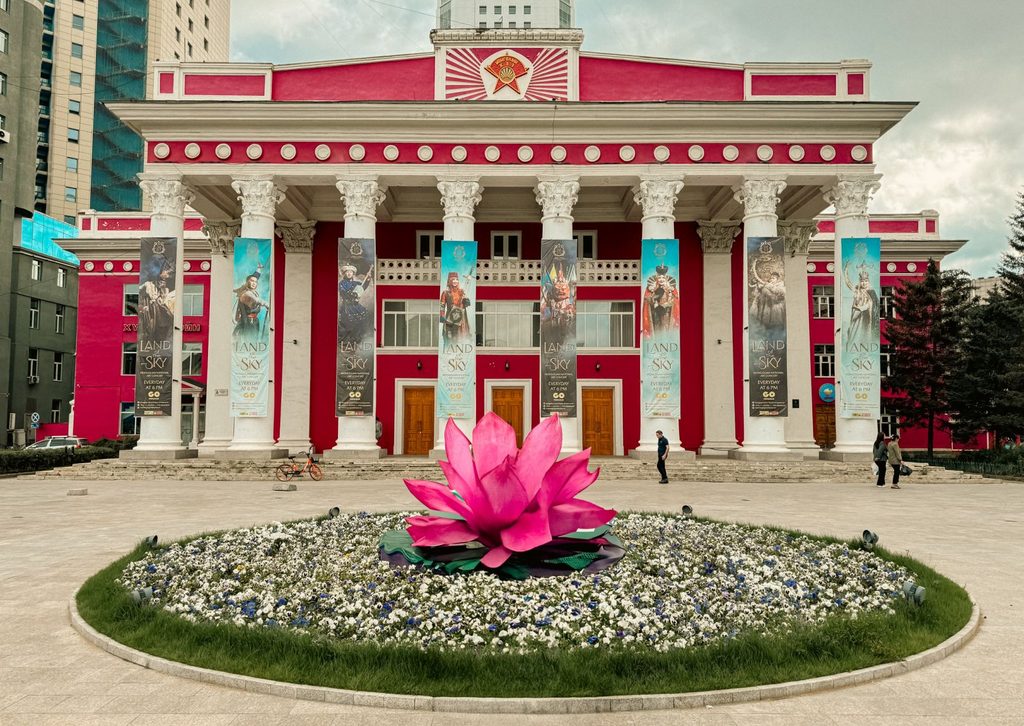
For 75 years, the Mongolian State Academic Theatre of Opera and Ballet has staged both world-renowned and Mongolian classical operas and ballets. Its repertoire includes over 100 operas and ballets from the global and Mongolian classical canon. Each year, the theater selects 26 operas and 21 ballets, performing over 100 shows for audiences.
The theater holds regular performances every Saturday and Sunday, making it an ideal destination for tourists interested in experiencing world-class and Mongolian classical productions on weekends.
Tsagaan Lavai Ensemble
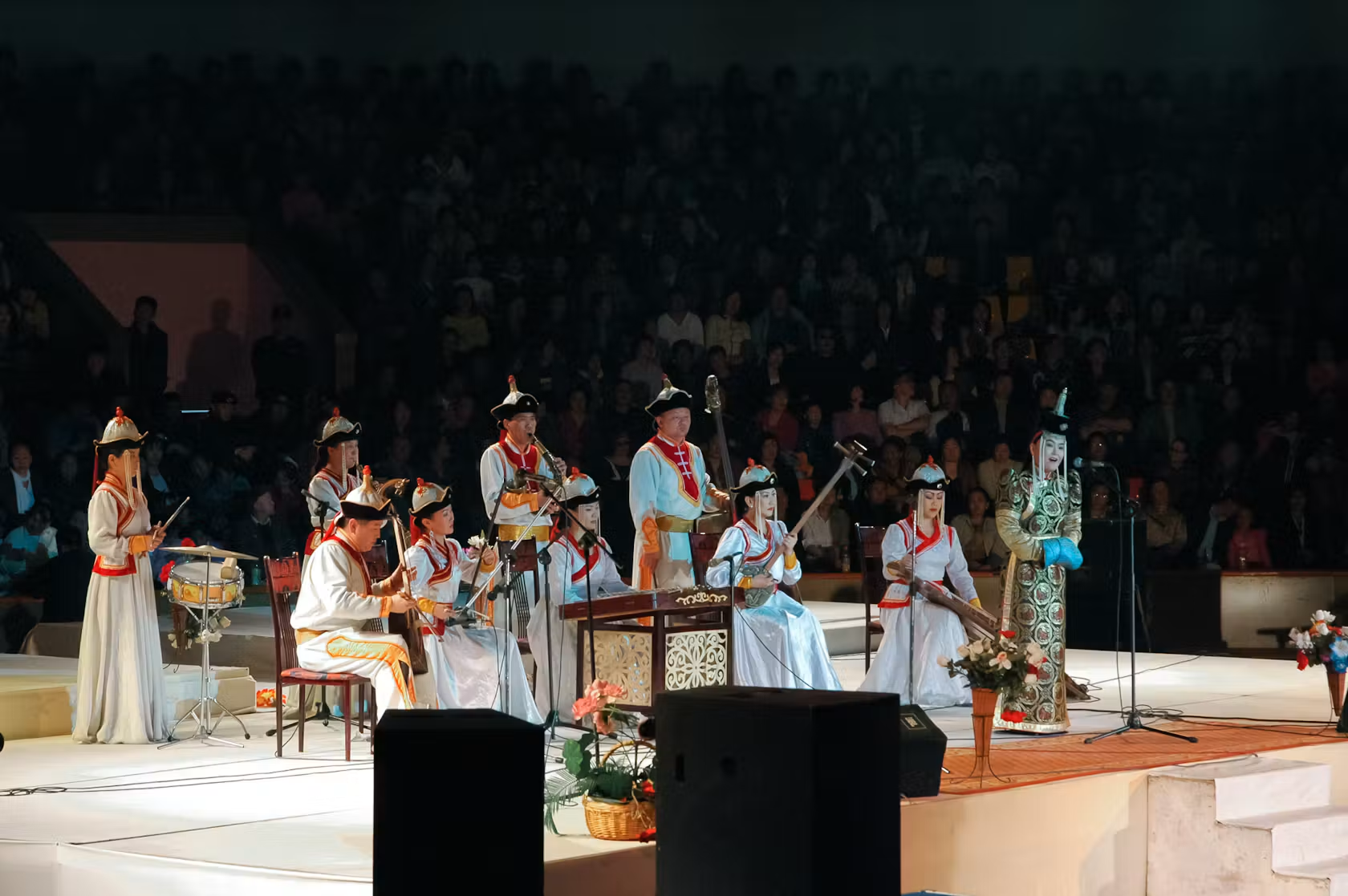
The Tsagaan Lavai ensemble regularly organizes performances to introduce tourists to Mongolian folk art and cultural heritage. Since 2018, they have been successfully implementing cultural tourism programs. The ensemble consists of more than 50 professional artists.
Every summer, Tsagaan Lavai presents the “Nomadic Legend” performance daily at 6:00 PM. The show features a comprehensive program, including folk music, dance, Biy Biyelgee, Khöömei, praise songs, the Morin Khuur (horsehead fiddle), Tsam dance, long and folk songs, and contortion. Watching this performance will provide a complete experience of Mongolian folk arts.
Tumen Ekh Ensemble
Tumen Ekh is a traditional folk ensemble. Their mission is defined as:
“To discover, research, promote, and develop the traditional folk art and cultural heritage of Mongolian ethnic groups, to showcase its wonders at home and globally with the highest quality, and to lead in satisfying the intellectual needs of audiences through exceptional artistic skills.”
The ensemble performs in a beautifully decorated venue that resembles the ceremonial palace of ancient Mongolian khans. Their performances maintain authenticity by avoiding modern sound equipment and amplifiers.
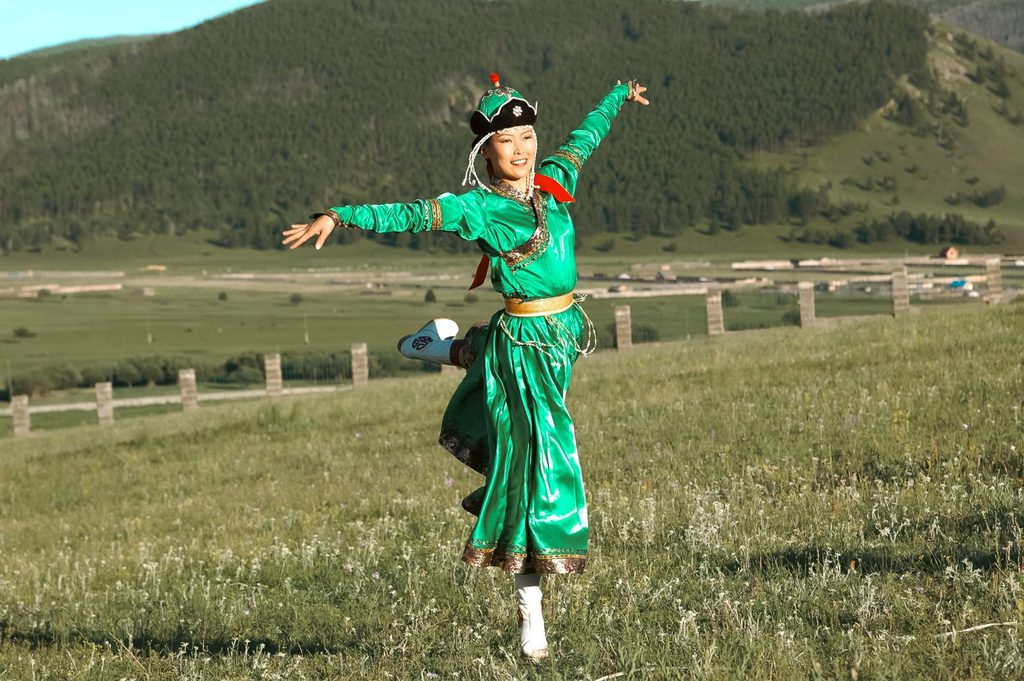
They offer special scheduled performances by reservation and perform daily at 6:00 PM from May 1 to September 30. Their performances include the Tsam dance, long songs, short folk songs, Khöömei, contortion, national music, traditional dance, praise songs, and shaman dances, providing a full experience of Mongolian folk arts.
Mongolian Theatre Museum
In 1973, a decision was made to establish the Mongolian Theatre Museum to research, collect, document, preserve, and promote Mongolia’s theatrical heritage. The museum officially opened to the public in 1991.
The museum’s collection consists of over 9,000 exhibits, including photographs, paintings, musical instruments, stage costumes, sketches, playbills, and various documents. The museum has six exhibition halls: Theatrical Traditions, Performing Arts, National Music, Portraits, National Musical Instruments, and Sacred Music. Approximately 30% of the exhibits are on display in the public galleries.