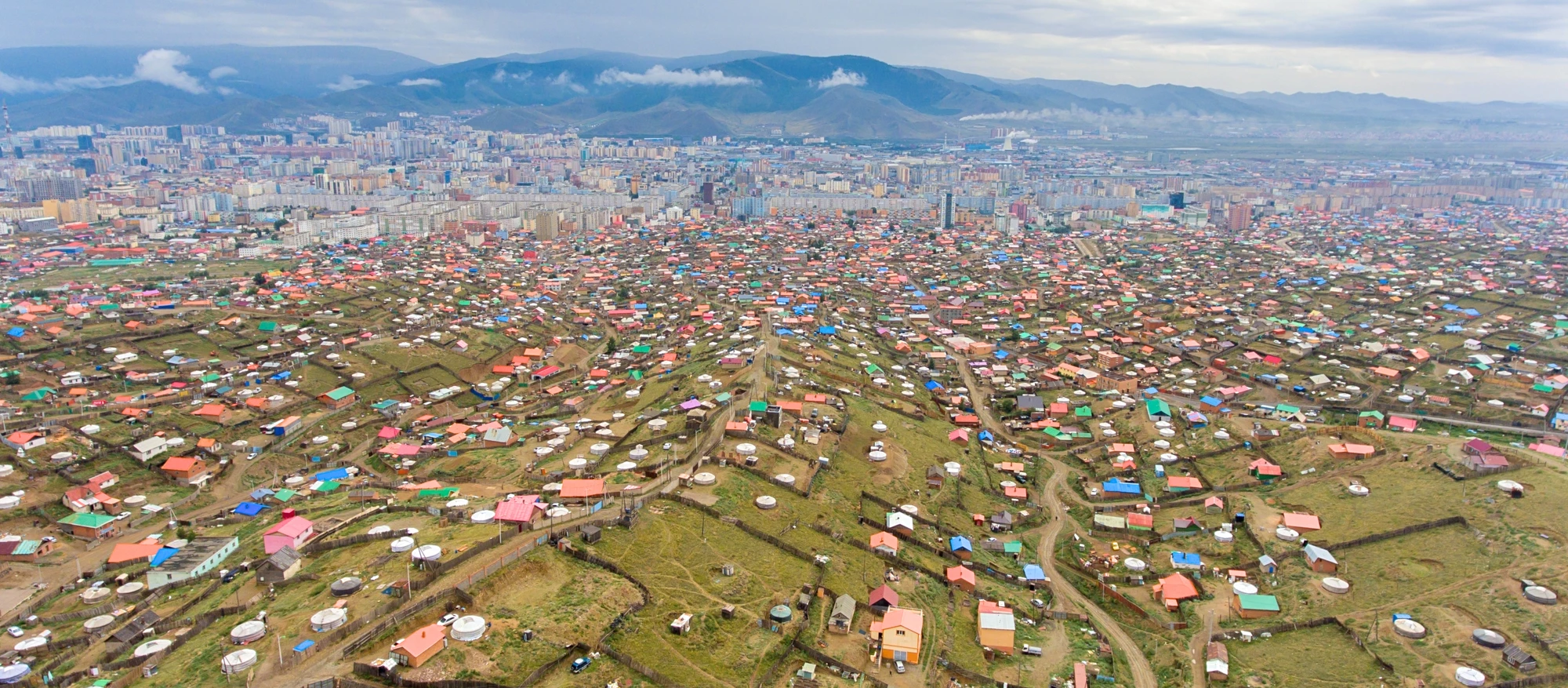
Ulaanbaatar’s ger district is home to hundreds of thousand of people, packed tightly in astonishing density, which is also what the city used to look like before the old Soviet apartments started declaring itself. A ger district is a narrow alleyway formed by joining together household fences. When you hear people speak of “the ger district,” they often refer to the neighborhoods formed by these alleys.
The original form of the rapidly urbanizing city of Ulaanbaatar is the ger area, where more than 60% of the city’s population live. The ger area, as old as the city gets, embodies all the elements of Mongolia’s unique urban evolution, from the oldest part of town, to the most recent settlements of newcomers.
It is home to important economic activities, valuable land capital, and a majority of voting power – making it one of the most interesting parts of the city to explore. The future of ger areas is subject to an ongoing discussion among decision makers, urban planners, international development organizations and foremost, the citizens of Ulaanbaatar.
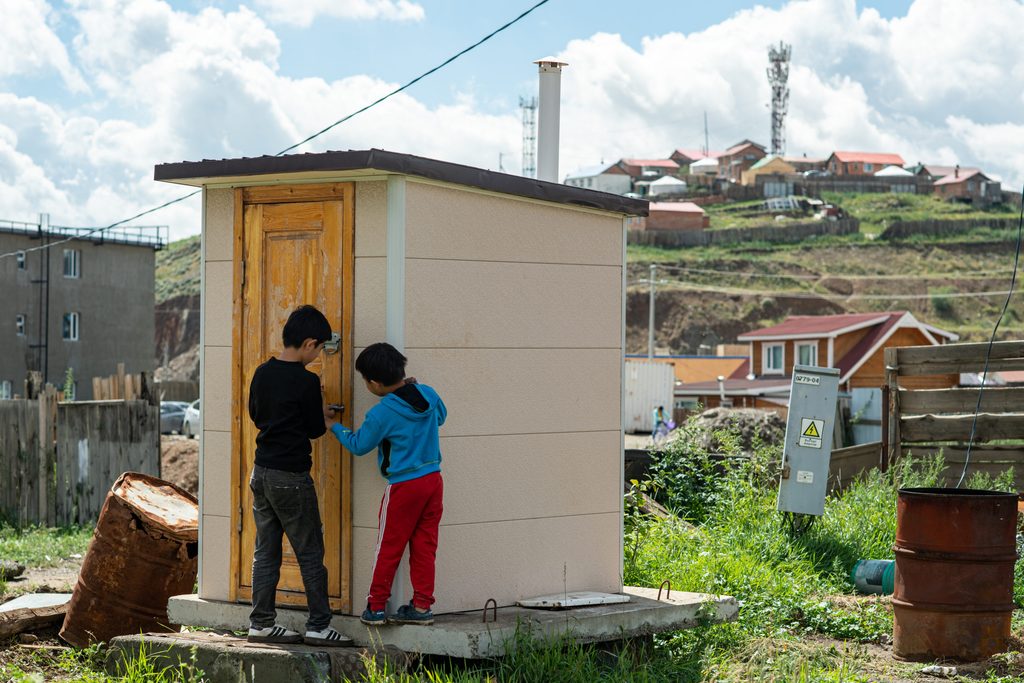
Most ger districts are not connected to water supplies, so people get their drinking water from public wells. For a warm shower or a bath, there are bathhouses. Since there is no sewer system, ger district parcels usually have a pit toilet.
While the ger area faces many challenges in its expansion and development, we believe a closer look at life in the ger area from human-centered perspective through conversations with local communities will reveal the potential for community-driven, sustainable development.
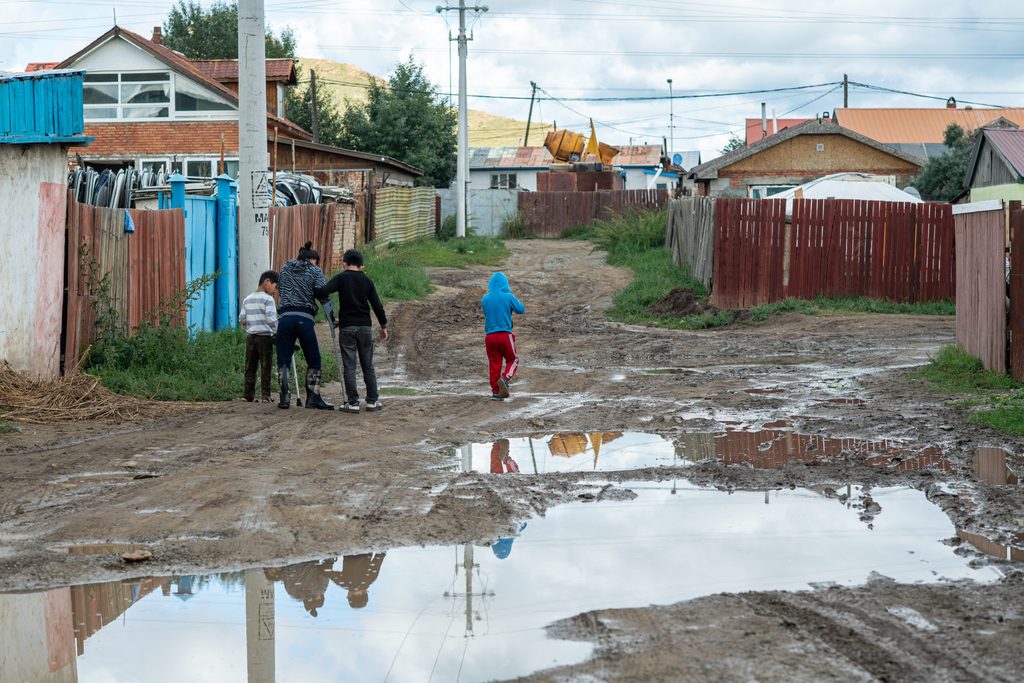
An oft-cited problem of ger districts in Ulaanbaatar and a number of other larger Mongolian cities is the air pollution (especially in winter) caused by the burning of raw coal in simple iron stoves for cooking and heating.