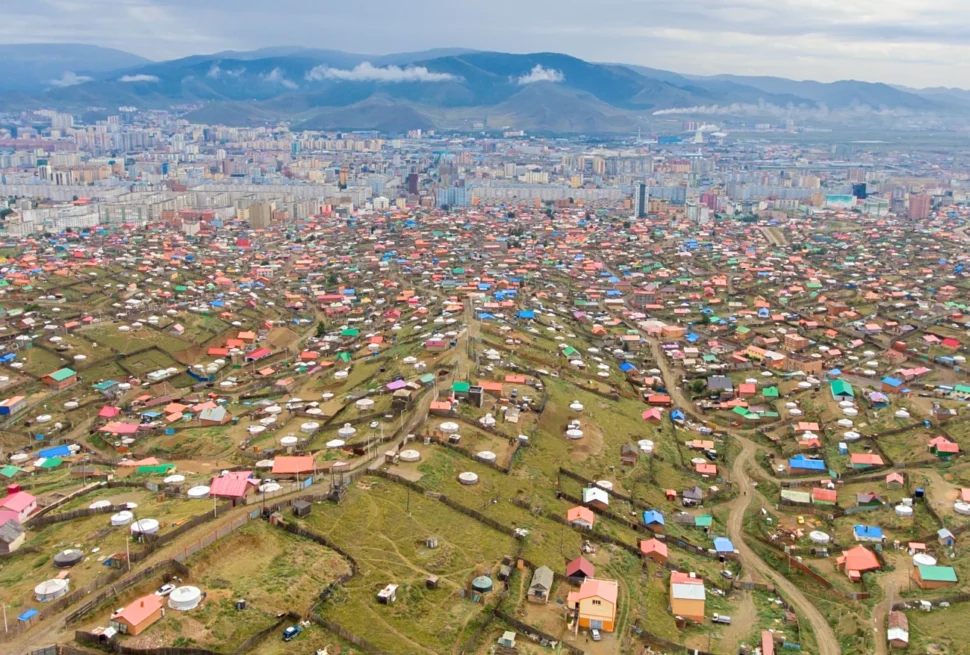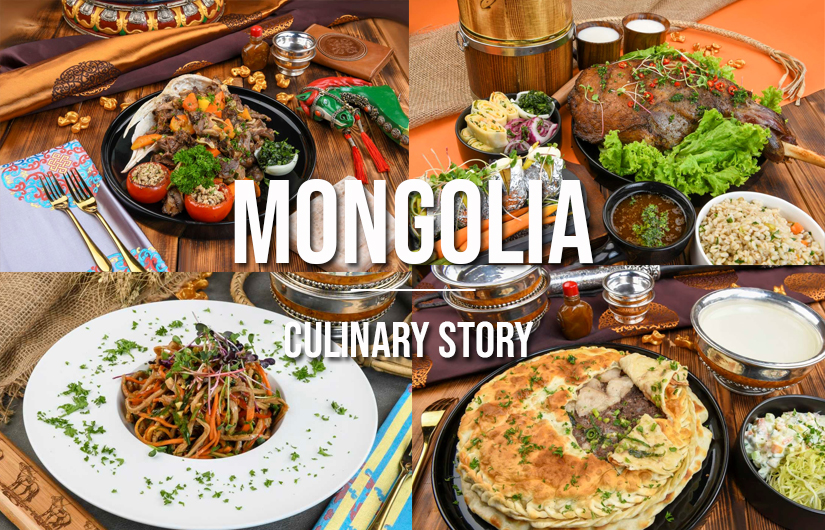
Mongolia, nicknamed the “Land of the Eternal Blue Sky”, has a history of cuisine tied to the nomadic lifestyle of its people. Mongolia’s climate, with its long, harsh winters, has significantly shaped its cuisine. Traditional Mongolian foods are hearty. Meat and dairy products form the core of the diet.
Ambassador Tumur explained the history of Mongolian cuisine, “Our food is characterized by its simplicity, reliance on dairy products and meat from livestock – sheep, goats, horses, cattle and camels. Thanks to foraging and hunting, fruit, vegetables, herbs and wild berries are included.
“The history of Mongolian cuisine can be traced back to ancient times when the Mongolian nomads relied on their livestock. They practiced a pastoral way of life, moving with their herds to find suitable grazing grounds. This lifestyle influenced their dietary choices, focusing on animals with a steady supply of milk to make yogurt and drinks; wool for clothing and dung as fuel. In the harsh steppe environment, nothing was wasted; even the marrow of animal bones was eaten and with leftovers, boiled into a broth.
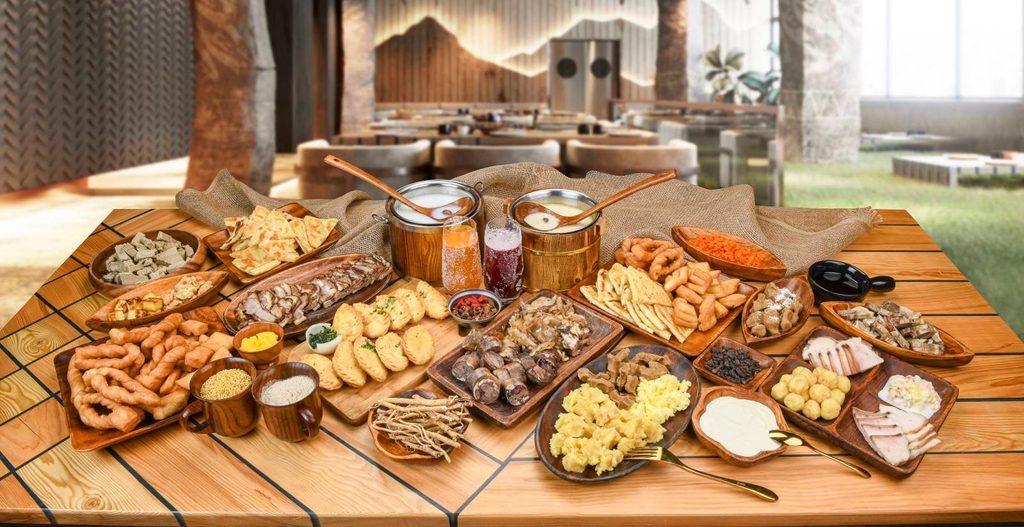
“Dairy products are a major part of the Mongolian diet. Butter is made and stored in leather pouches to have a longer shelf-life. Another common food is fresh yogurt and dairy products made through a milk-boiling process. Cheese is often dried and cured by placing it in the sunand exposing it to the wind.
“Nomads are also gatherers, and the Mongols have long collected other dietary supplements from nature such as wild vegetables, roots, tubers, mushrooms, grains, berries and other plants.”
Ambassador Tumur shared an interesting story. “The National Geographic documentary, “EAT: The Story of Food: The History of the Hamburger”, unveiled a surprising historical connection between Chinggis Khaan’s warriors and the iconic “hamburger”. Often viewed as a conqueror, Chinggis Khaan’s conquests inadvertently contributed to the evolution of the international food culture. Mongol warriors developed a unique method of keeping meat beneath their saddles during long journeys, unintentionally tenderizing it in the process. This innovative meat-tenderizing technique was introduced to Western countries, who adapted it into a dish known as “steak tartare”. Through trade and cultural exchange, this concept of meat-tenderizing found its way to Germany, where it evolved into “hamburger”.”
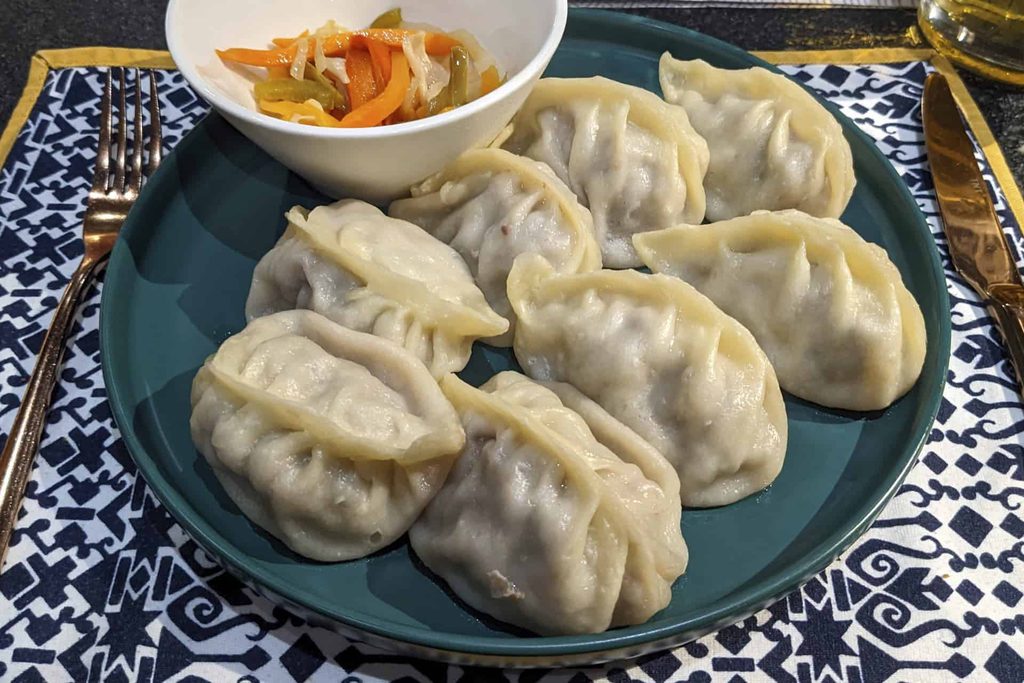
He went on, “Traditional Mongolian dishes such as “buuz” (steamed dumplings), “khuushuur” (fried pastries) and tsuivan (noodle stir-fry), are less commonly known throughout the world. However, their unique flavours are often appreciated by those who enjoy hearty, meat-centric cuisines. Mongolian cuisine, with its unique flavours and traditions, stands as a testament to the resilience and resourcefulness of the people who call this land home.
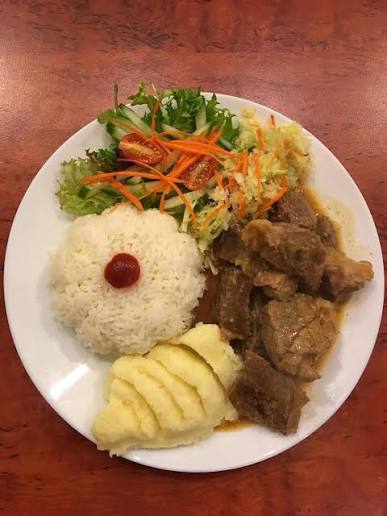
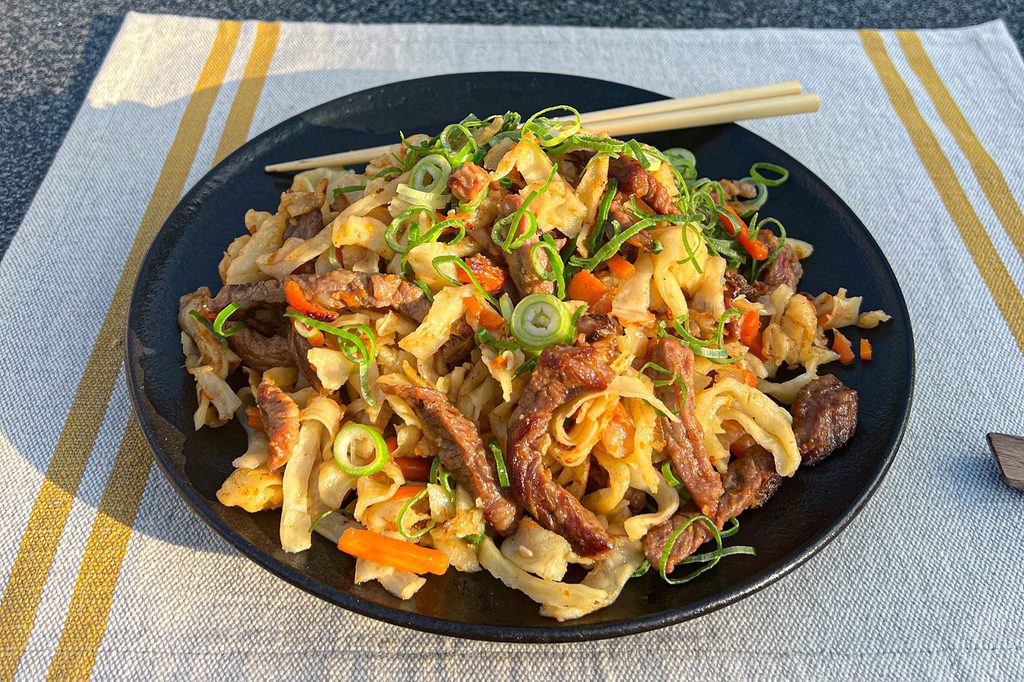
“‘Tsuivan, a traditional Mongolian noodle dish, showcases the resourcefulness of nomadic cooking. Thin wheat noodles are stir-fried with meat, vegetables and a dash of soy sauce, creating a hearty and satisfying meal.
“Mongolia’s nomads have a deep appreciation for dairy products, and their most prized possession is their herds of horses, cattle and yaks. From these animals, they obtain milk and create a variety of dairy products, including aaruul (dried curd), salty milk tea and the iconic airag (fermented mare’s milk). Airag is not only a source of nutrition, but also a symbol of hospitality, often offered to guests as a gesture of welcome.
“What truly makes Mongolian food unique is the spirit of sharing. In a culture where hospitality is sacred, every meal is a communal affair. Families and guests sit together, partaking in the flavours of the steppe, sharing stories under the vast Mongolian sky.”
As Mongolia is a vast country, there are certain regional differences. First is the Steppe’s Bounty, which is the central region known as the “heartland”. The cuisine is characterized by the abundance of dairy products, like “Aaruul” (dried curd), and salty milk tea. Heading north, the Khuvsgul region covers pristine lakes and lush forests. The cuisine takes on a distinct influence from nature. “Buuz“, an iconic Mongolian dish, is commonly made with a combination of meat and wild herbs gathered from the surrounding woods.
Traveling south to the Gobi Desert, the landscape becomes arid, and the cuisine reflects the challenges of desert living. Mongolians have developed ingenious ways to preserve food, such as “Borts”, thin strips of air-dried meat that can withstand the scorching heat.
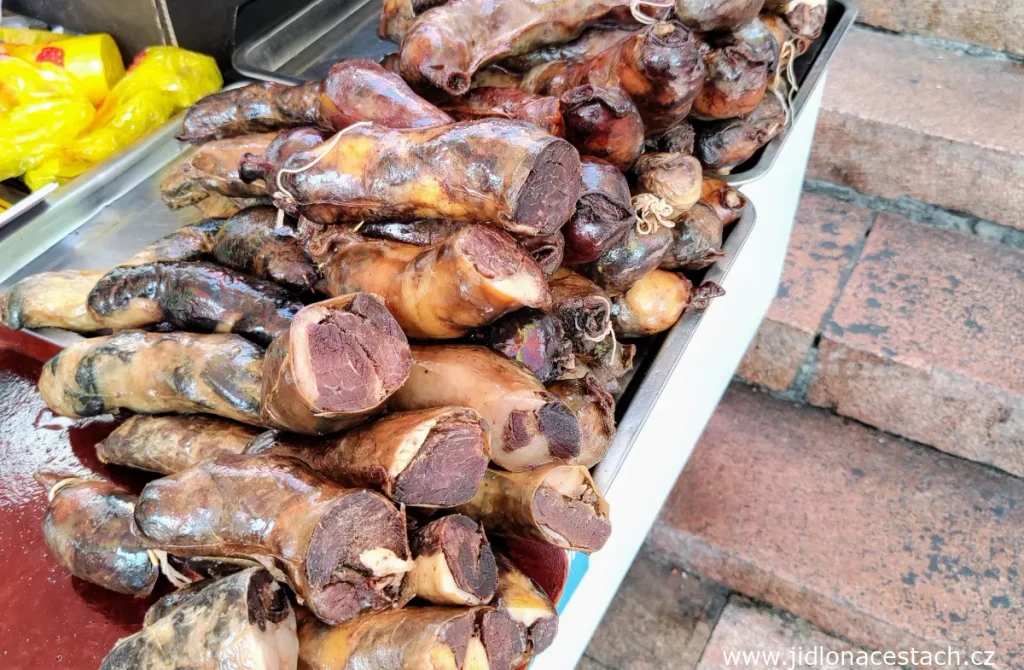
In the western part of Mongolia, where the Altai Mountains provide a stunning backdrop. “Beshbarmak“, a hearty dish of boiled meat served over noodles, reflects the Kazakh influence while “Kazy“, a type of sausage from horse meat is often smoked and dried. This region’s food culture is a testament to the multiculturalism that thrives in this corner of Mongolia.
“While Mongolian cuisine may not be as globally renowned as some others, it still holds a special place in Mongolian culture and is enjoyed by people who have had the opportunity to experience it.”